
How to Avoid Emotional Spending
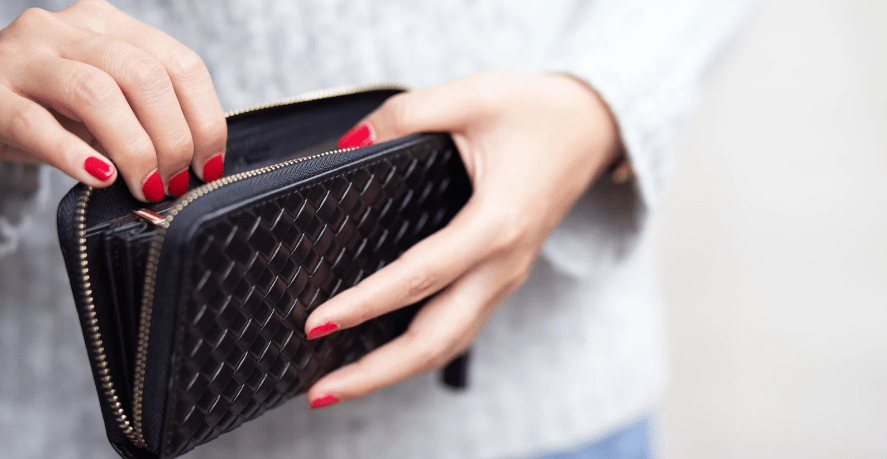
Have you ever had a bad day and made yourself feel better by buying something? That’s one example of emotional spending. But just as there are many emotions, there are as many reasons we buy things we don’t need. Emotional spending can drain your savings.
These purchases are also known as impulse buys, where we pay for something we don’t need, but want for some reason. Canadians all over the country fall prey to emotional spending, forking an average of $3,720 a year to improve their moods. And it’s no wonder we’re also in a lot of debt. For every dollar we have, we owe $1.78 – a number that’s creeping higher with each passing month.
Emotional spending can sneak up on you when you are stressed, excited, or trying to treat yourself. Small habits and mindful choices can help you control these urges and stay on track with your budget.
For more ideas on saving money, explore our helpful tips.
The Emotional Spending Psychology
According to Psychology Today, the root of emotional purchases is our unconscious desire to buy what will manage our current emotional state. Simply put, we want the product to elevate, maintain, or calm our current mood. Are you feeling low-key? You’re more likely to buy tea. Are you experiencing excitement? You’ll probably reach for that energy drink. Conversely, if you’re stuck with the blues, you’ll seek out what cheers you up. If we like our mood, we gravitate towards what will keep us feeling this way; if we’re uncomfortable with the emotion, we shop for what will change it.
It all sounds simple: being aware of our “why” behind every purchase. Yet, it isn’t easy to make the unconscious, conscious, especially in the thrill of the emotional moment. Plus, not all of us are aware of what we’re feeling, exactly when we’re feeling it.
While we may not be able to control our unconscious emotions, what we can do to bring them to our awareness is to get curious about them. To answer the “why” of each purchase starts with learning more about how your values and personality impact your spending decisions.
Three Powerful Questions to Ask Before You Buy
Next time you’re tempted by an unplanned purchase, pause for 30 seconds and ask yourself:
- What do I really like about this item? Is it the brand, colour, design, price, or just the idea of owning it?
- How is this purchase making me feel right now, and why? Am I bored, stressed, sad, or celebrating something?
- What happens if I don’t buy this today? Will I still want it tomorrow, or will the urge pass?
These simple questions turn unconscious habits into conscious choices and help you avoid impulse buying most of the time.
Signs of Emotional Spending
While some purchases fulfill genuine needs, emotional spending involves using money to cope with positive and negative emotions. But how can you tell if you’re shopping based on feelings rather than reason? Here are some common signs of emotional spending to watch out for:
- You frequently buy things on a whim, exceeding your budget with impulse purchases.
- You turn to shopping for retail therapy when you’re feeling down.
- Making a purchase leaves you with regret or guilt.
- You hide your shopping habits from loved ones due to shame or fear.
- You are chasing the latest trends, even if they strain your finances.
- You need to pay more attention to your budget for unnecessary purchases.
- You are relying heavily on credit cards to finance your shopping sprees.
- Prioritizing unnecessary items over groceries, bills, or repairs.
- Struggling to resist buying things you know you shouldn’t.
Common Triggers for Emotional Spending
Triggers are defined as events, situations, words, smells—really, any stimulus—that can set off strong positive or negative emotions. Triggers for emotional spending are stimuli that result in us buying something that we think will either enhance or decrease the impact of the stimulus.
There are certain emotions that more commonly result in purchases, according to The Journal of Financial Planning. They are:
- Feeling Depressed (triggers you to buy happiness)
- Feeling Stressed (triggers you to buy relief)
- Feeling Unattractive (triggers you to buy beauty)
- Feeling Guilty (triggers you to buy redemption)
- Feeling Bored (triggers you to buy entertainment)
You don’t need to over-analyze the exact root of every emotion (like whether it’s social media, a bad day, or comparison making you feel down). That can feel overwhelming and isn’t necessary to make progress. All you really need is to notice the feeling in the moment you’re tempted to buy: simply recognizing “I’m emotionally spending right now because I’m feeling stressed/bored/sad” gives you the power to pause, put the item down, and walk away. Focusing on spotting your triggers as they happen (without digging deeper) is one of the quickest, most effective ways to stop emotional spending and keep more money in your pocket.
Here are just a few examples from the Huffington Post about what we commonly buy depending on what we feel:
- Feeling powerful: Spending on yourself (treatments, experiences).
- Feeling weak: Spending on others (gifts, favours).
- Feeling excited: Impulse purchases (unplanned items).
- Feeling envious: Competitive spending (expensive items to outdo others).
- Feeling flirty: Buying attractive clothing/underwear.
- Feeling sad: Opting for more expensive choices.
- Feeling claustrophobic: Choosing loud, bold, or unique items.
- Make a note of when and where you tend to spend the most. Tracking these moments can help you recognize patterns and make better choices in the future.
How to Stop Emotional Spending
The urge to swipe your card after a bad day or celebrate the good news with a shopping spree is real. But emotional spending can negatively affect your finances. Here are some effective strategies on how to stop emotional spending to help you regain control of your finances:
Recognize Your Triggers
Do you impulse buy when you’re feeling down? Are you a stress shopper? A boredom buyer? Identifying your triggers is the first step to outsmarting emotional spending. Track not just your purchases but also your mood. Eventually, you’ll discover the connections between your mood and spending habits.
Create a Budget
Allocate funds for necessities like bills and groceries, set aside savings for the future, and factor in a reasonable amount for discretionary spending. Review your past bank statements to see where money is going. Even small purchases add up quickly, and understanding your spending habits can help you adjust your budget. This way, you’ll always have a clear picture of where your money is going, making impulsive purchases less likely.
Set Financial Goals
Having a clear financial target injects purpose into your spending. Do you dream of a new home, a luxurious vacation, or a secure future? Visualize that goal and use it as motivation to stick to your financial plan. You’re a step closer to achieving your dreams.
Visit our personal finance page for tools that can help you organize your finances.
Find Healthier Emotional Outlets
Is shopping your go-to method for dealing with stress, boredom, or excitement? It’s time to explore healthier coping mechanisms. Exercise, meditation, spending quality time with loved ones, or pursuing a hobby can all provide a natural mood boost without draining your wallet.
Try a free activity like taking a walk, calling a friend, or working on a simple hobby at home. Redirecting your attention can help reduce emotional impulse purchases.
Implement a Cooling-Off Period
Have you ever felt the urge to do something you don’t need? Don’t do it just yet! Instead, implement a “cooling-off period.” Give yourself a day or two to decide if it’s a wise purchase. Often, you’ll be glad you didn’t make a hasty decision.
Use a Debit Card or Credit
Swiping your credit card makes it easy to lose track of spending. Instead, use a debit card or cash for everyday purchases. The physical act of handing over cash makes spending more tangible and helps you stay within your budget. It’s a simple trick, but it can be surprisingly effective in preventing emotional spending.
You can also access funds quickly with Speedy Cash’s instant debit card funding.
Pause Before You Purchase
Give yourself a few minutes before buying something that was not planned. A short pause can help you decide if it is a need or just an emotional reaction.
Speedy Cash is Your Financial Partner
Financial literacy is key. We aim to help you avoid financial pitfalls, including using payday loans for impulsive purchases. However, we understand that emergency expenses happen. Speedy Cash is your last resort if you’re facing an unexpected financial hurdle and have exhausted all other options.
Speedy Cash supports you on that journey, offering financial education resources and promoting responsible borrowing practices, not just payday loans. Financial knowledge is the first step towards economic empowerment, and we’re here to be a resource on that journey.
Taking control over your emotional spending simply starts by asking yourself a few questions before purchasing something and being aware of your mood while shopping. Once you bring these emotions to your awareness, you may have a much easier time walking away from certain purchases or even choosing a less expensive alternative.
For more topics on improving your financial situation and how to save money, check out the Speedy Cash blog, Need a little breathing room this month? Apply online now. It only takes a few minutes to see if you’re approved.
You’ve got this. Small mindful choices today lead to bigger financial freedom tomorrow!
-
Read more: Tax Time Cash Flow: How to Budget Until Your CRA Refund Arrives

Tax Time Cash Flow: How to Budget Until Your CRA Refund Arrives
-
Read more: What Does My Payday Loan Mean For My Personal Taxes?
What Does My Payday Loan Mean For My Personal Taxes?